Key Points
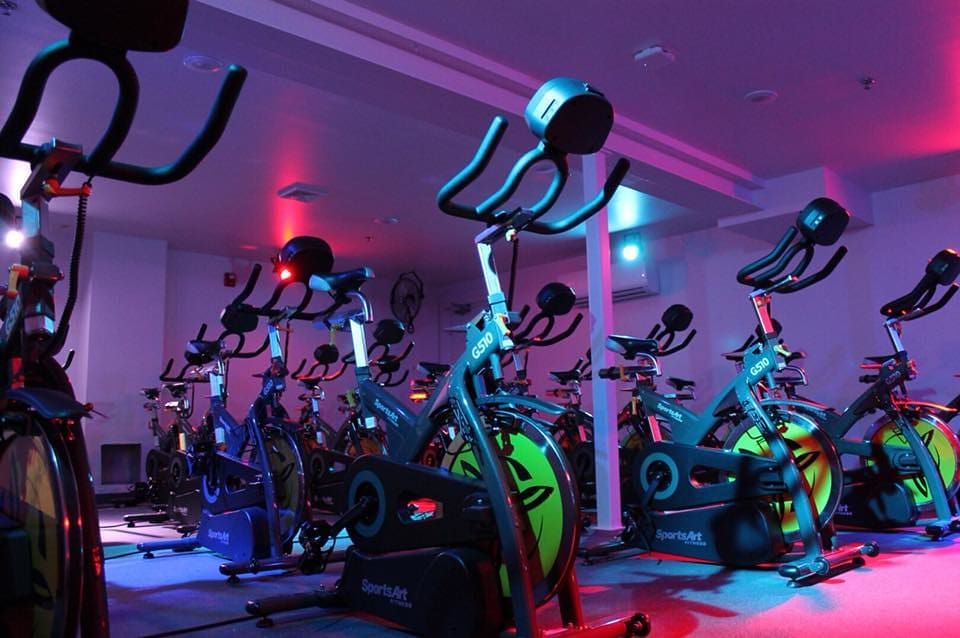
2026 boutique gym trends include using hyper-personalized small group zones, integrated technology, and hybrid-ready spaces so modern coaching, content, and member journeys feel natural and seamless.
Strength and functional training now anchor the floor plan, with generous space, durable materials, and clear zoning for lifting, movement, and recovery, while experience-first design details—from lighting and finishes to sight lines and social nooks—shape emotion, community, and retention.
Smart layouts bake in operational efficiency and revenue diversification, with flexible multiuse rooms, intentional retail and service touchpoints, and well-organized back-of-house areas that keep the member-facing environment calm, polished, and ready to evolve beyond 2026.
In 2026, the gyms that win are not just programming well.
They’re designing environments that make modern training, technology, and community feel natural the moment you step inside.
Drawing on our expertise in gym and fitness facility design, let’s explore the key boutique gym trends shaping 2026 and how they’re directly influencing today’s interior design decisions.
2026 Boutique Gym Trends
Hyper Personalization and Small Group Training
From a design perspective, the move toward hyper-personalization and small group training changes how we plan every square foot. Members want training that responds to their goals and limitations, and the space must support that.
We see studios shifting away from one big open box toward defined training zones sized for four to ten people, each with the tools and clearances a coach needs to adjust on the fly.
Well-planned layouts make assessments, coaching conversations, and small group sessions feel natural rather than cramped or improvised. Storage, sight lines, and circulation are all planned so coaches can move easily from one member to another without disrupting the group.
When the space is designed for this model, then progressions, blocks, and individualized coaching feel seamless to the client.
For more granular guidance on sizing and equipping small-group zones, IDEA’s piece on creating small-group training spaces outlines floor-area targets, flooring choices, and storage ideas that support coaching flow.
Technology Integrated Across the Member Journey
Technology must nowadays be woven into the spatial experience.
Prospects expect to discover and interact with your brand online, then walk into a physical environment that matches that level of polish.
We now design entries, reception zones, and circulation with digital behaviors in mind: check-in points that work with mobile devices, clear flows to self-service areas, and discreet locations for visible but unobtrusive screens.
On the training floor, we plan for power, data, and mounting points from the start so displays, tablets, and tracking devices feel integrated rather than bolted on.
Cable management, lighting around screens, and acoustics all influence how comfortable and legible tech feels in the space. When done well, technology supports the experience without overwhelming it.
Hybrid Fitness as a Supporting Layer
Hybrid fitness changes how the studio functions between sessions, and design must support that reality.
Spaces now do double duty as content studios, with lighting, sight lines, and backgrounds that look professional on camera as well as in person. We often carve out flexible zones where coaches can film on-demand sessions, run virtual check-ins, or host small livestream groups without disturbing the main floor.
On storage and acoustics, equipment like cameras, tripods, and microphones needs dedicated homes so they are easy to access yet out of the way. Soundproofing can also help keep virtual content crisp while nearby classes continue.
When hybrid fitness is considered in the design, studios can extend their services, clientele, and profits without headaches.
Strength Training and Functional Movement in the Spotlight
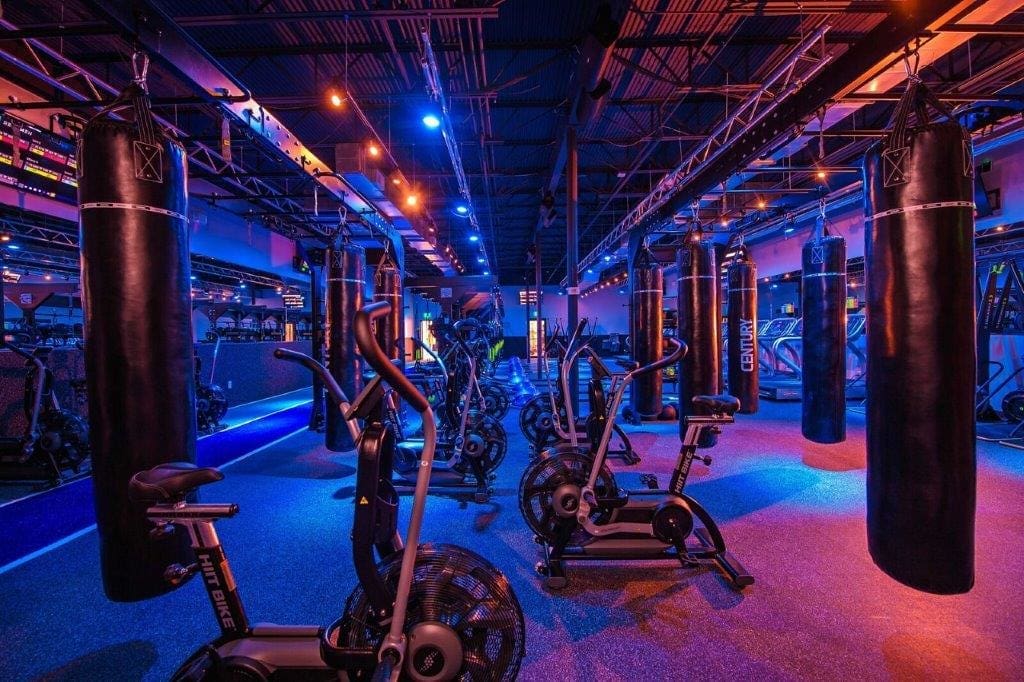
As strength training and functional movement take center stage, the old model of lines of cardio machines in the best real estate no longer makes sense.
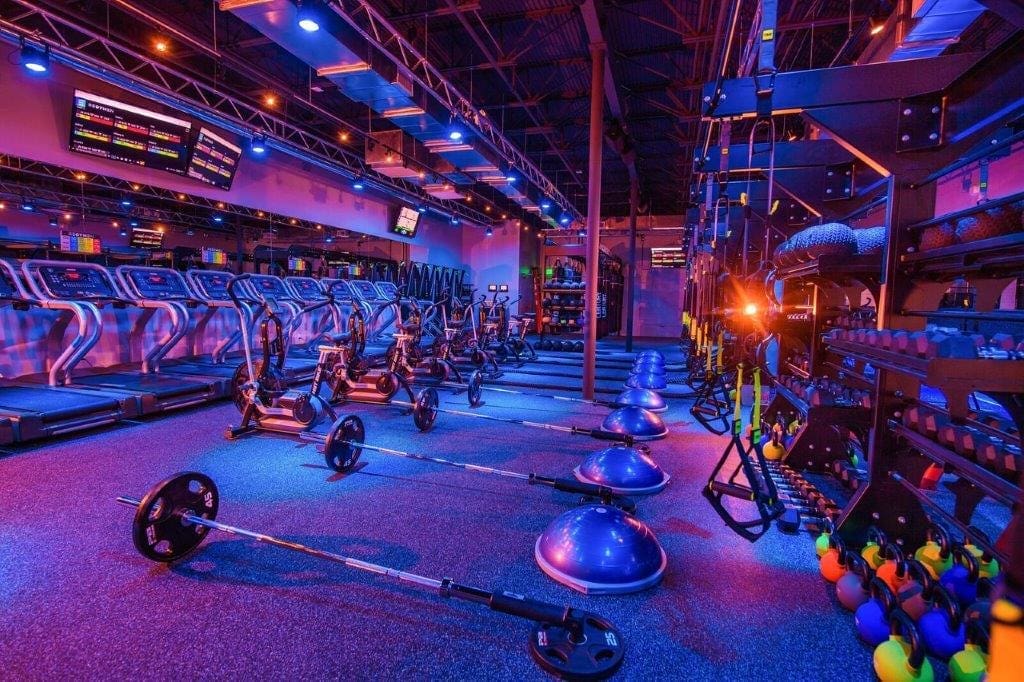
We allocate more space to free weights, racks, platforms, turf, and open movement zones. Clearances, flooring, and circulation are planned to handle loaded carries, dynamic lifts, and partner work safely.
Material selection supports this shift. Surfaces must absorb impact, handle chalk and sweat, and still look refined.
Zoning through flooring, lighting, and ceiling treatments helps members intuitively understand where to lift heavy, where to move, and where to recover.
Experience-First Environments and Design
Experience-first designs are where an interior’s role has the most impact. Members compare your studio to hotels, cafés, and lifestyle brands, so every touch point from the front door to the last locker matters.
We must now design entries that create an immediate emotional response, using light, proportion, and materials to signal calm energy rather than chaos.
On the floor, we choreograph the journey: sight lines reveal the right amount of activity without overwhelming new visitors, lighting shifts to support different needs (be that focus, intensity, or recovery), and finishes balance durability with a tactile, human feel so the space reads as both professional and welcoming.
Community and Relationship Driven Retention
Community shows up in how the space encourages people to linger, connect, and be seen.
There’s now a much greater need to design social zones that are intentional, not leftover: seating nooks near reception, areas where members can stretch and chat after class, and visual anchors such as achievement walls or progress boards that invite interaction.
Circulation and zoning also affect this. When members constantly cross paths in cramped corridors or bottleneck at one point, the experience feels stressful, not social.
In 2026, we use layout to create natural points of connection and enough breathing room that conversations feel comfortable.
With any relationship-driven model, the space has to make it easy to greet, celebrate, and support members without disrupting operations.
Smarter Operations and Revenue Diversification
Operational excellence is built into the 2026 plan set. When studios diversify revenue with semi-private training, specialty programs, or retail, the environment must support those offers cleanly.
If possible, it’s best to layer in flexible spaces that can switch roles throughout the day, from private coaching to assessments to small workshops, without constant reconfiguration.
Retail and service add-ons are also designed as part of the member journey, not random shelves by the door. We consider adjacencies, sight lines, and storage so that additional revenue streams feel natural and premium.
Back of the house is also critical. Organized staff areas, laundry, storage, and service routes keep the front of house calm and polished, even when the operation is busy.
Design Tips for Boutique Gyms in 2026
For owners, these trends mean treating design as a strategic lever rather than a cosmetic expense. The physical environment has to support modern training models, technology, and community, or those initiatives will feel forced.
Prioritize clear zoning for strength, conditioning, and recovery so sessions feel organized, not chaotic. Use layered lighting to support different class intensities and flatter members on camera.
Integrate tech early by planning power, data, and screen locations. Consider building in generous, hidden storage to keep floors clutter-free.
Finally, create intentional social nooks near the reception to support community and post-workout connection.
How to Future-Proof Your Gym Beyond 2026
Future-proofing from a design standpoint means building in flexibility.
Plan spaces that can adapt to new formats, technology, and member expectations without requiring a full rebuild. Prioritize durable, timeless materials and a clear spatial hierarchy so the gym can evolve while still feeling consistent with your brand.
When the core layout, flow, and experience are strong, you can layer in new trends with confidence instead of starting over each time the market shifts.
Conclusion
Boutique gyms have shifted from niche alternatives to the default choice for people who value coaching, community, and results.
Members are no longer paying primarily for access to equipment. They want expert guidance, spaces that reflect their identity, and environments where they feel known and supported, not anonymous.
Design is a core part of that promise, not an afterthought.
If you’re ready to translate these 2026 boutique trends into a real plan, our exercise facility design services can help you align zoning, flow, and aesthetics with your training model.
Want Expert Help With Your Gym?
With 1,000+ commercial fitness and wellness projects completed worldwide, we offer both design and consulting services for gyms, studios, facilities, clubs, and more.
Join the Journey!